Silverfish Cloud
A world with friends, light add-ons, no heavy redstone
- CPU1 vCPU Ryzen 9 5900X
- RAM2 GB DDR4 3200 MHz
- Storage32 GB NVMe Gen4
- SlotsUnlimited
- Add-ons & behavior packs · Console, mobile and PC crossplay
- Paris, France
Minecraft Bedrock servers hosted in Paris, reachable from Xbox, PlayStation, Nintendo Switch, phone, tablet and Windows on port 19132. Unlimited slots, dedicated DDR4 RAM, NVMe Gen4 storage, Pterodactyl panel, automatic backups and Netrix Anti-DDoS included, with no commitment. Because the Bedrock engine is far lighter than Java, every tier hosts more players at the same amount of memory.
A world with friends, light add-ons, no heavy redstone
Regular survival server, a few behavior packs
Active community, add-ons and redstone farms
Large public server, many add-ons, extended world
Established community, heavy add-ons, events
Infrastructure built for Bedrock: every component is picked to hold a stable tickrate, from a handful of friends to a community of a hundred players and more
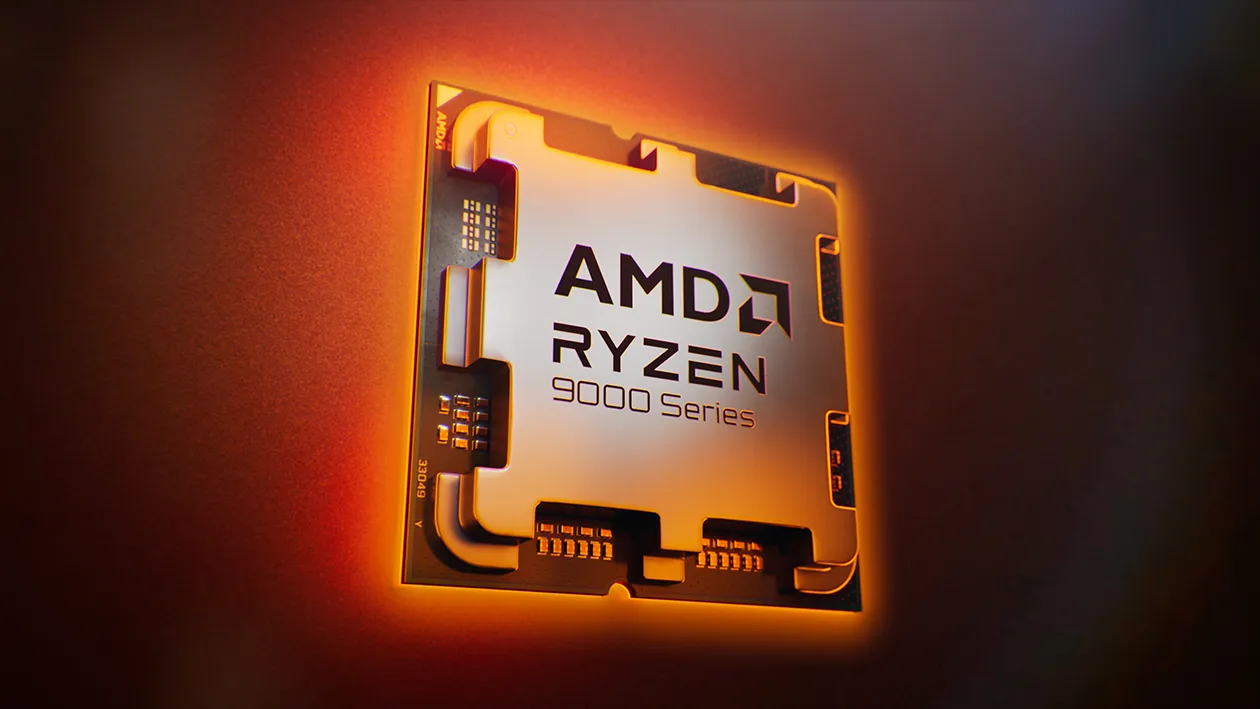
12 cores, 24 threads, 4.8 GHz boost. The Bedrock server also relies on a main thread: single-thread frequency is what holds the tickrate when redstone runs and entities pile up around farms.
Your memory is reserved for your instance, never shared or oversubscribed. Bedrock is far leaner than Java: 2 GB holds around fifteen players, 6 GB around fifty, with no trade-off on stability.
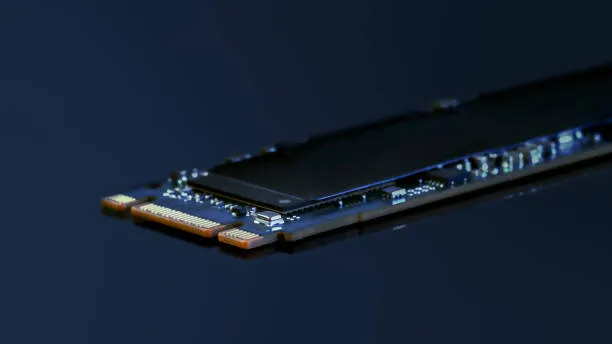
Several GB/s of sequential reads: chunks load almost instantly, even on a multi-gigabyte world, and automatic backups run in the background without freezing the game.
Game-specific protection, included at no extra cost on every plan. Filtering targets the Bedrock UDP protocol on port 19132 to neutralise attacks before they reach your server.
Tier 3+, our own AS198825 network, 10 Gbps per machine, unmetered traffic. Under 5 ms for most French players and contained latency across Europe, consoles included.
Live console, file manager for your behavior and resource packs, backups restorable in one click, and sub-users so your team can handle moderation.
This is the wall everyone hits on Xbox, PlayStation and Nintendo Switch: Minecraft only lists official partner servers there, and offers no field to type an address. The usual workaround is to join the game of a friend already connected to the server, which means someone has to be online at the right moment. In practice, the community never really gets going.
The VeryCloud DNS service removes that constraint. You enter the address from your client area once, in place of the automatic DNS, in your console network settings, then restart the game: your server appears in the Servers tab alongside the official partners. The setting lives in the console itself, so there is no app to install and nothing to redo at each session.
On phone, tablet, Windows and PC the connection stays direct: add a server, enter the IP address and port 19132, and you are in. Both routes lead to the same world thanks to Bedrock's native crossplay: a single session can bring together a Switch player, a PlayStation player and someone on their phone on the train.

Platforms first. Bedrock is the edition that runs on Xbox, PlayStation, Nintendo Switch, iOS, Android and Windows, with native crossplay between all of them. It is also the one still often called Pocket Edition or MCPE, a leftover from its mobile beginnings. Java stays PC-only, on Windows, macOS and Linux. The two editions share neither network protocol nor world format: a Bedrock server will not accept a Java client, and the reverse is just as true.
Extensions next. Bedrock is extended with add-ons, behavior packs and resource packs, installed from the panel file manager. Java relies on Spigot and Paper plugins and on Forge, NeoForge and Fabric mods, a far larger ecosystem but also a far hungrier one. That is where the real sizing difference lies: Bedrock stays light where a Java modpack routinely asks for 10 to 16 GB of memory for the same number of players.
So the choice comes down to your community. If your players are on console, on mobile, or split between the two, Bedrock is the only edition that brings them together. If they are all on PC and you are after plugins and modpacks, Java is the way. Our Minecraft Java plans cover Paper, Spigot, Forge, NeoForge and Fabric, on the same Paris infrastructure and with the same level of protection.
Realms is Mojang's official service, and it does exactly what it is designed for: a private world for a small group, with no configuration at all. Its limits, however, are fixed and not negotiable. The subscription caps at eleven simultaneous players, the server stays vanilla, world size is capped, and you get no access to the files, no console and no performance settings whatsoever. The day your community grows, there is no higher tier: you have to change solution.
A dedicated server at VeryCloud removes those ceilings. Slots are unlimited and you set your own maximum player count. Add-ons are allowed, the Pterodactyl panel gives you full access to the server files as well as its live console, and automatic backups restore in one click. Netrix Anti-DDoS runs permanently at no extra cost, everything is hosted in Paris in our Telehouse 3 datacenter, and you switch plan from the client area without losing your world.
If you are coming from Realms, migration costs you nothing: export your world from the Minecraft app, then upload the archive through the panel file manager. Your progress, your builds and your chests pick up exactly where you left them.

Bedrock has no mods in the Java sense, but its add-on system covers most of what a community needs. Behavior packs change game rules, mobs and loot, while resource packs change textures, sounds and the interface. Both install from the Pterodactyl panel file manager, drop into the world folders, then activate when the server restarts. Your players receive them automatically on connection, consoles included.
The same file manager handles importing an existing world. Whether the archive comes from another host, a single-player game on your phone or an exported Realms world, you upload it in the panel and the server picks it up on the next start. Automatic backups then take over, and you can roll back to an earlier point in one click if an add-on misbehaves. Our French-speaking support is reachable 7 days a week by ticket and on Discord to walk you through these steps.

This is the question everyone asks before ordering, and the answer differs sharply from what is usually written about Java. The Bedrock engine, written in C++, uses far less memory at equivalent load. In practice, 2 GB is enough for around fifteen players on a classic survival world, 4 GB covers around thirty players, 6 GB around fifty, and 12 to 16 GB target public servers of seventy players and more. On the Java range, expect roughly double for the same world.
These figures shift with three factors: how many add-ons are loaded, how dense the redstone and automatic farms are, and the render distance you allow. A heavily modified server, or one covered in entity farms, will want the tier above. When in doubt, start with the plan matching your current player count: upgrading is done from the client area, with no world loss and no migration fee, on the day your community grows.

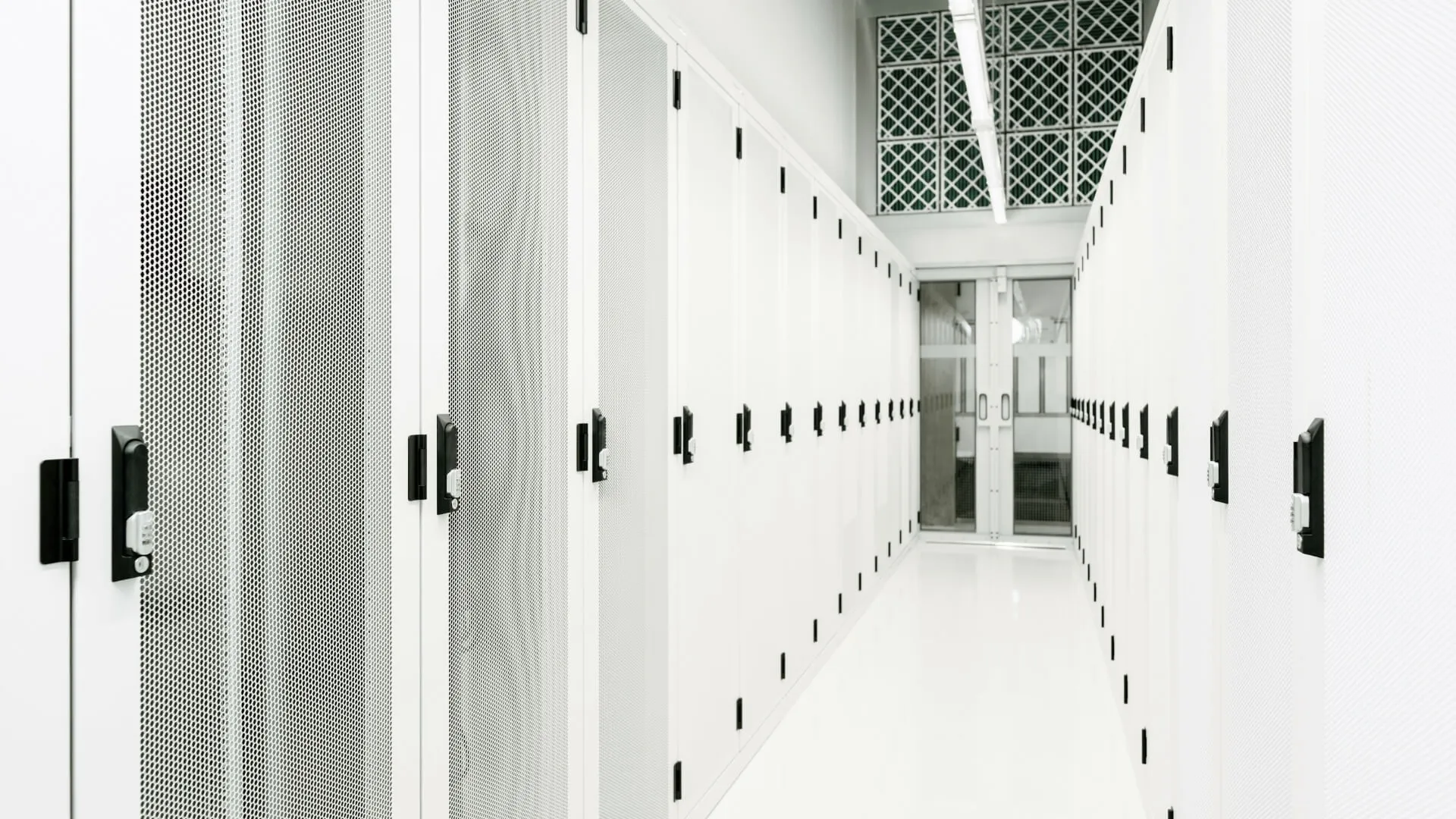
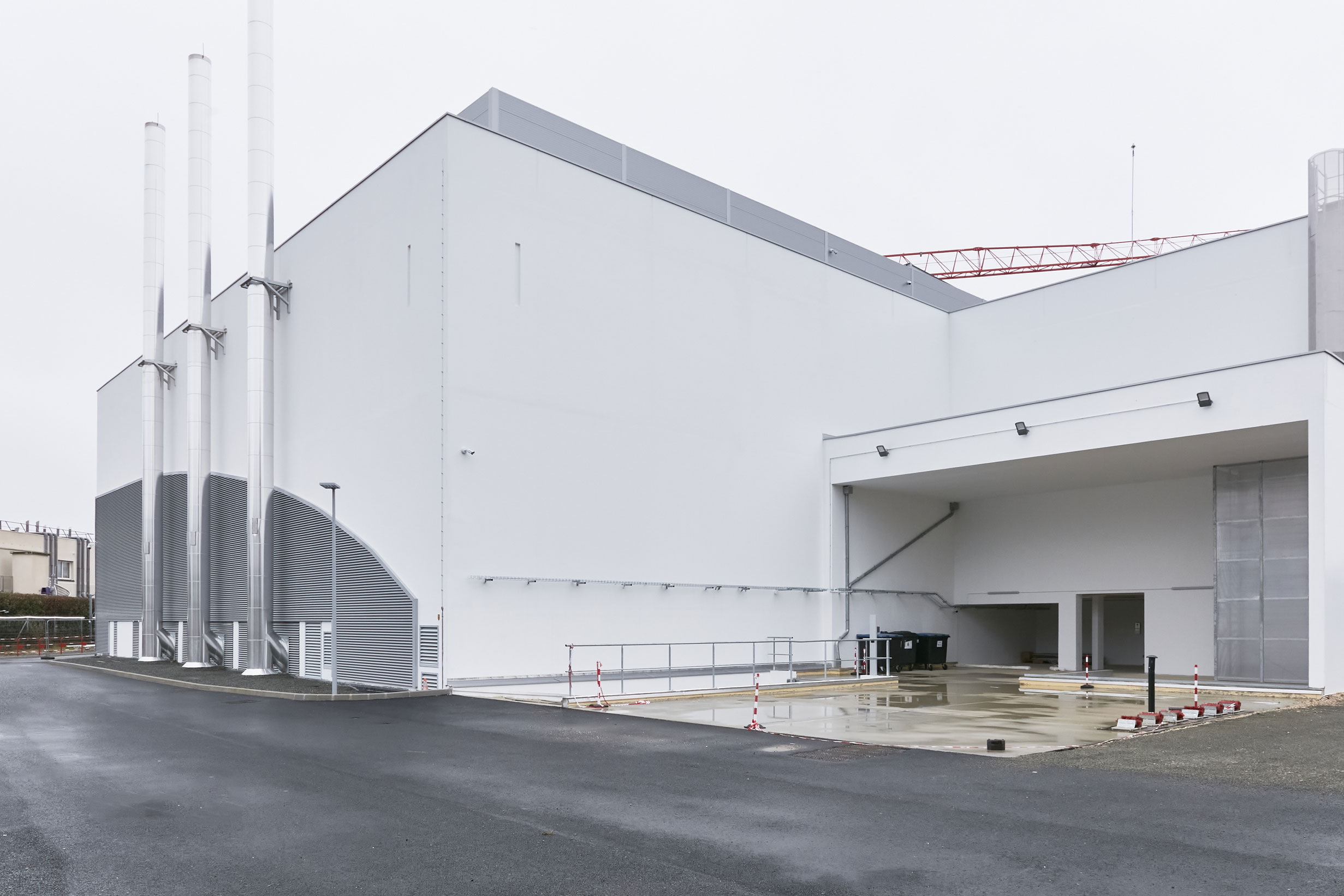
We operate our own infrastructure in this ultra-secure environment, with the most demanding certifications: Tier 3+, ISO 27001 for security, and HDS (French Health Data Hosting). Thanks to round-the-clock physical security and state-of-the-art infrastructure, we guarantee a contractual 99.99% uptime for your critical services.

Minecraft® is a trademark of Mojang Synergies AB. VeryCloud is an independent host, neither affiliated with nor endorsed by Mojang Studios or Microsoft. Xbox is a trademark of Microsoft Corporation, PlayStation a trademark of Sony Interactive Entertainment Inc. and Nintendo Switch a trademark of Nintendo Co., Ltd.
For any questions, suggestions, or just to chat with the community, join us on Discord!